
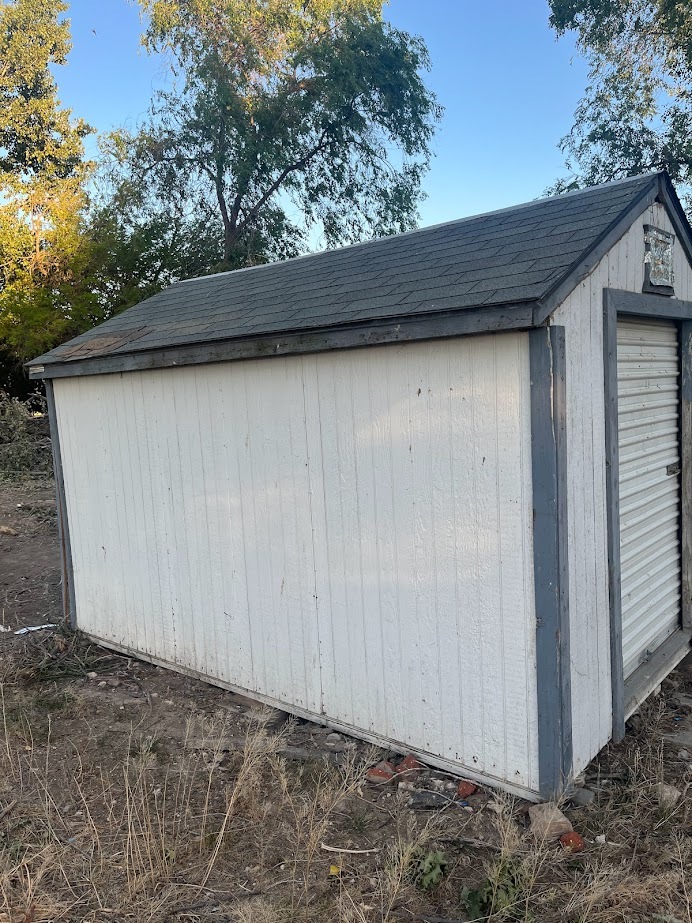
A unique lesson emerged from an unexpected situation. When a homeless couple asked to temporarily stay in our shed after their truck broke down, we hesitated, then agreed. However, what began as a compassionate gesture turned into a boundary check. The couple stayed longer than agreed, left a mess, and caused property damage. Lessons in compassion and caution can be hard won—but they matter.
Lessons in Compassion and Caution: What We Intended
We didn’t make this decision lightly. We weighed safety, liability, and the immediate need in front of us. Because compassion matters, we chose to help. However, we now see how fast a short-term exception can become an open-ended arrangement. Next time, we’ll start by sharing a list of local resources, offer water and a brief rest on site, and clearly state time limits in writing. If circumstances change, we’ll reassess with the same two goals: protect people and protect the property.
What Actually Happened
Despite the initial agreement, the stay extended. Trash accumulated, damage appeared, and communication slipped. As a result, a kind impulse created avoidable cost and stress. We still believe in helping—but we now understand the need for firmer guardrails.
Why Boundaries Support Compassion
Boundaries don’t reduce kindness; they sustain it. Because resources are finite, structure protects people and property while preserving dignity. Therefore, we can keep saying yes—just with clearer terms and safer processes.
Helping is good; unbounded helping can cause harm. These lessons in compassion and caution taught us to act with heart and with a plan. Next time, we’ll lead with community resources, set written limits, and protect the space—so generosity remains sustainable for everyone.

Be the first to comment